The location of this unique museum facility in Poland is related to the specificity of the region, whose central point is Nowy Tomyśl, arising from the rich traditions in the cultivation of wicker and hops and the production of wicker products. The decisive influence on the creation and development of these traditions was the natural terrain conditions and historical processes related to the influx of population within the framework of the Olęder settlement. The marshy, sometimes swampy character of the area means that the wild willow has always grown here.
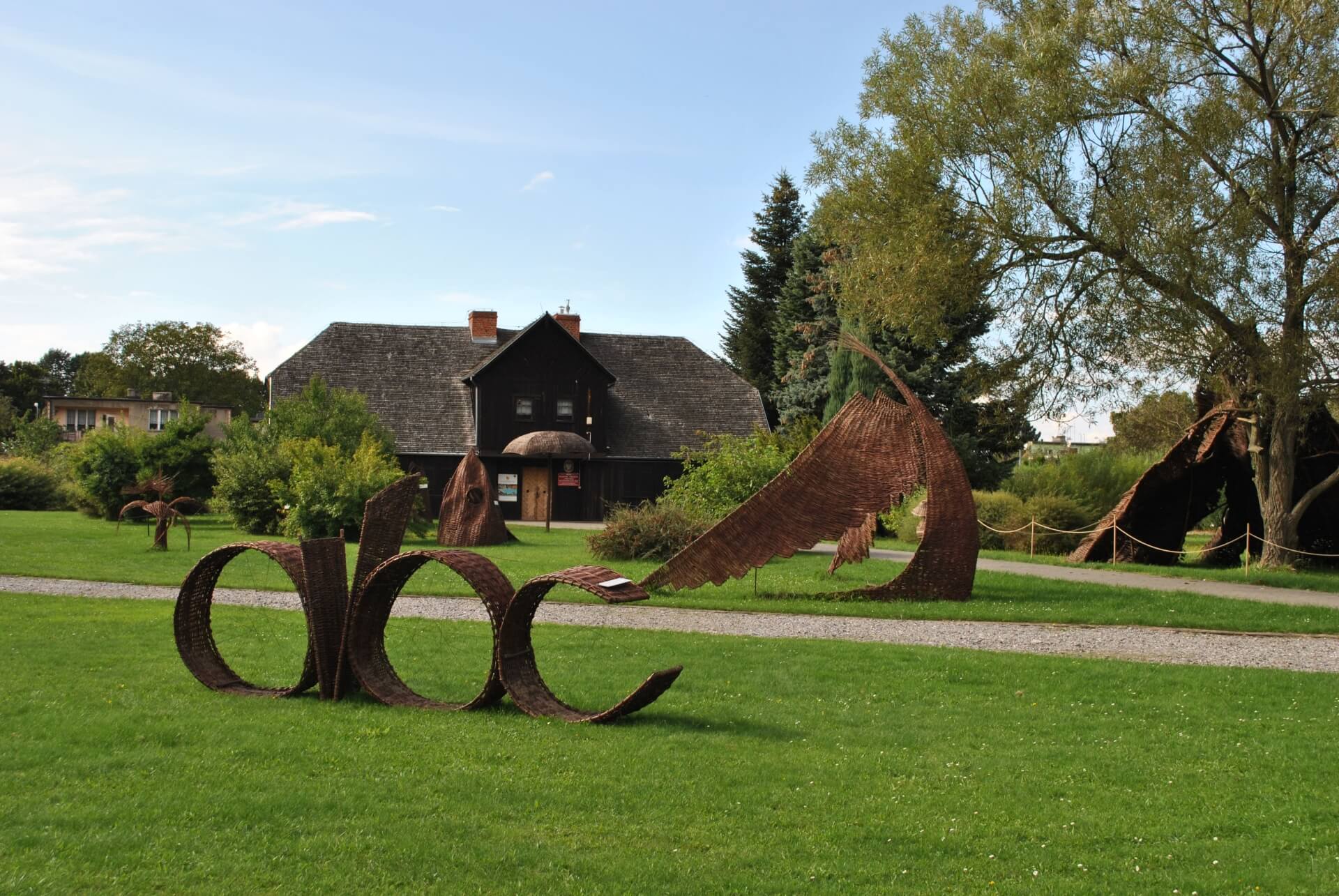
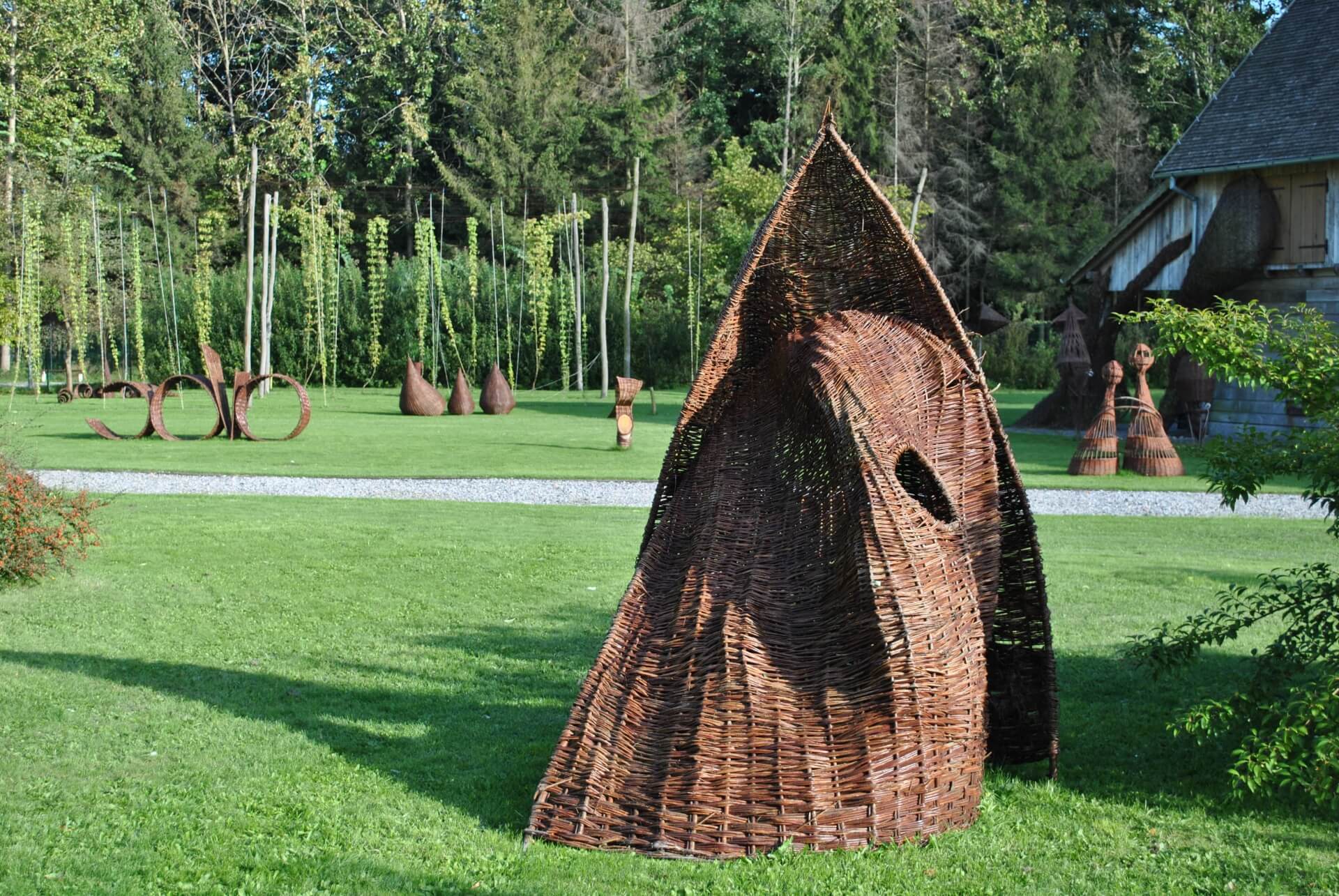
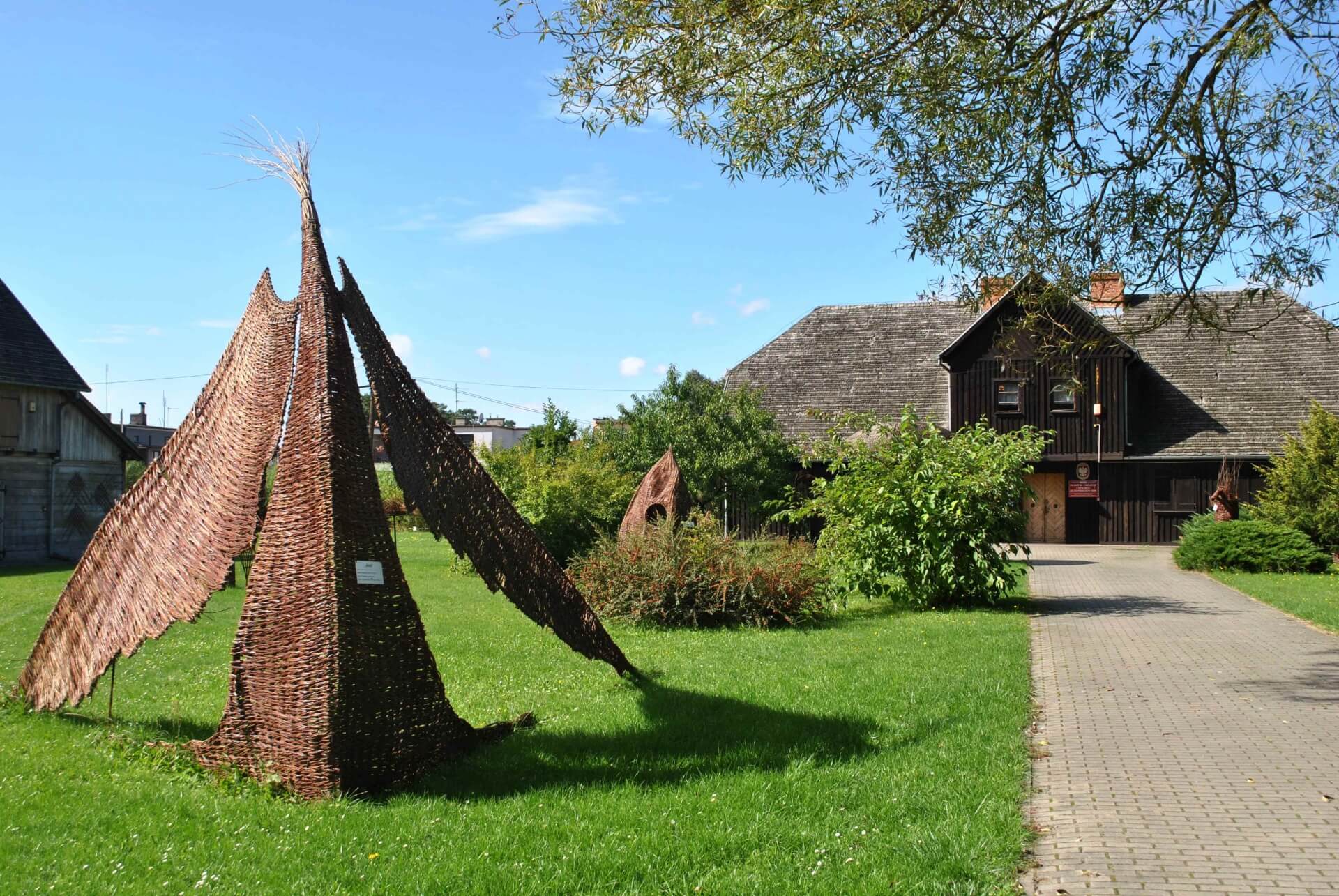
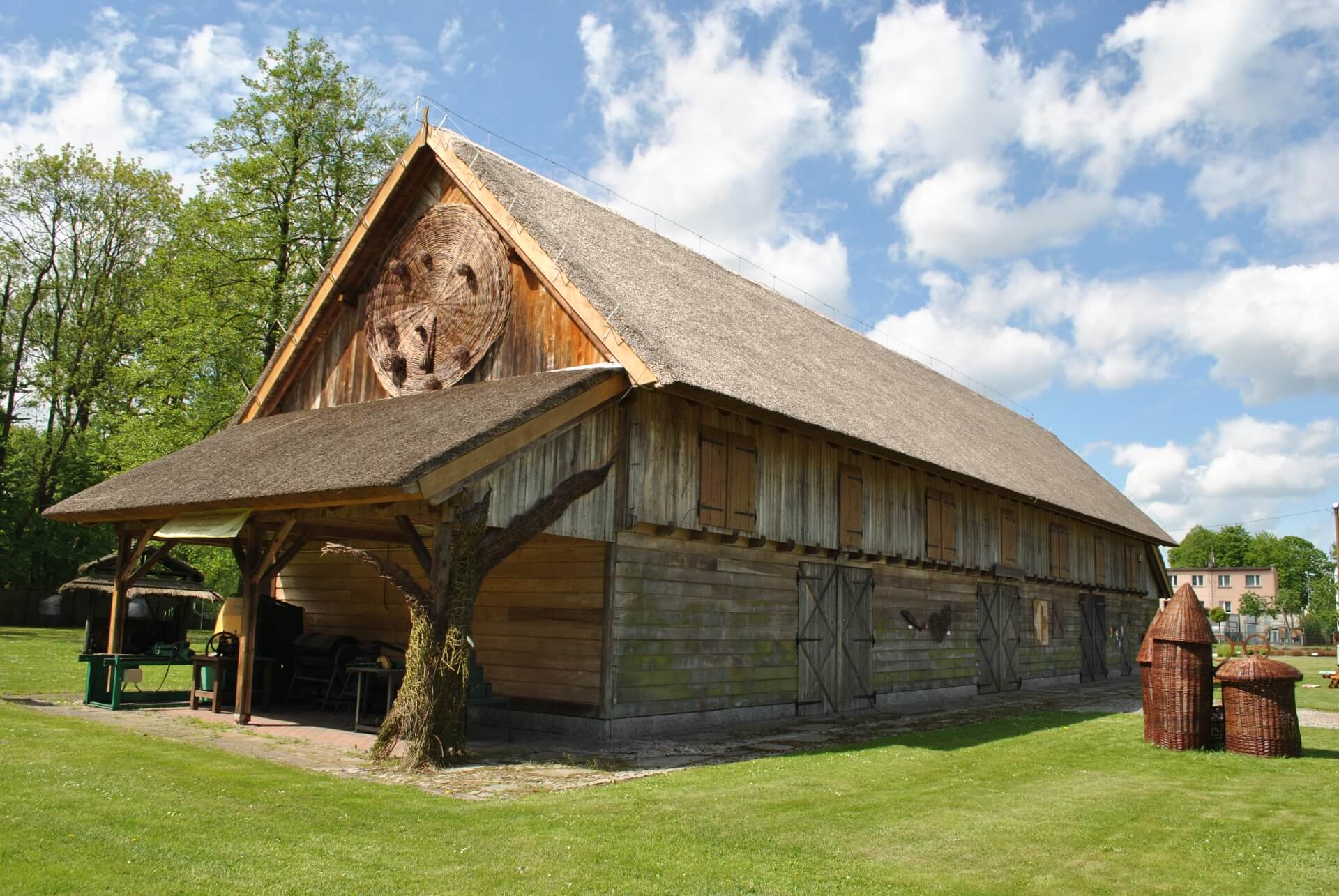
At the Museum, you can see exhibitions related to the cultivation of wicker and hops, the processing of these raw materials, and weaving craftsmanship. Tools and machines associated with this subject are presented, along with a vast wealth of wicker products, both of utilitarian and artistic character. Around the buildings, unique artistic spatial forms made of wicker are arranged, as well as exhibition stands concerning the issues of the use of willow in other areas of human life beyond weaving (environmental protection), machines and tools for harvesting and processing wicker, and botanical displays – varieties of willow (salicarium) and hops (hop garden).